.svg)

2026 American Manufacturing Survey: 5 Key Takeaways


Table of Contents

CADDi teamed up with SME to take the temperature of leading manufacturers across America to learn about the challenges and opportunities they foresee in 2026.
Read the entire report here, or read on for our analysis of five key takeaways.
The Skilled Labor Shortage Still Looms Large
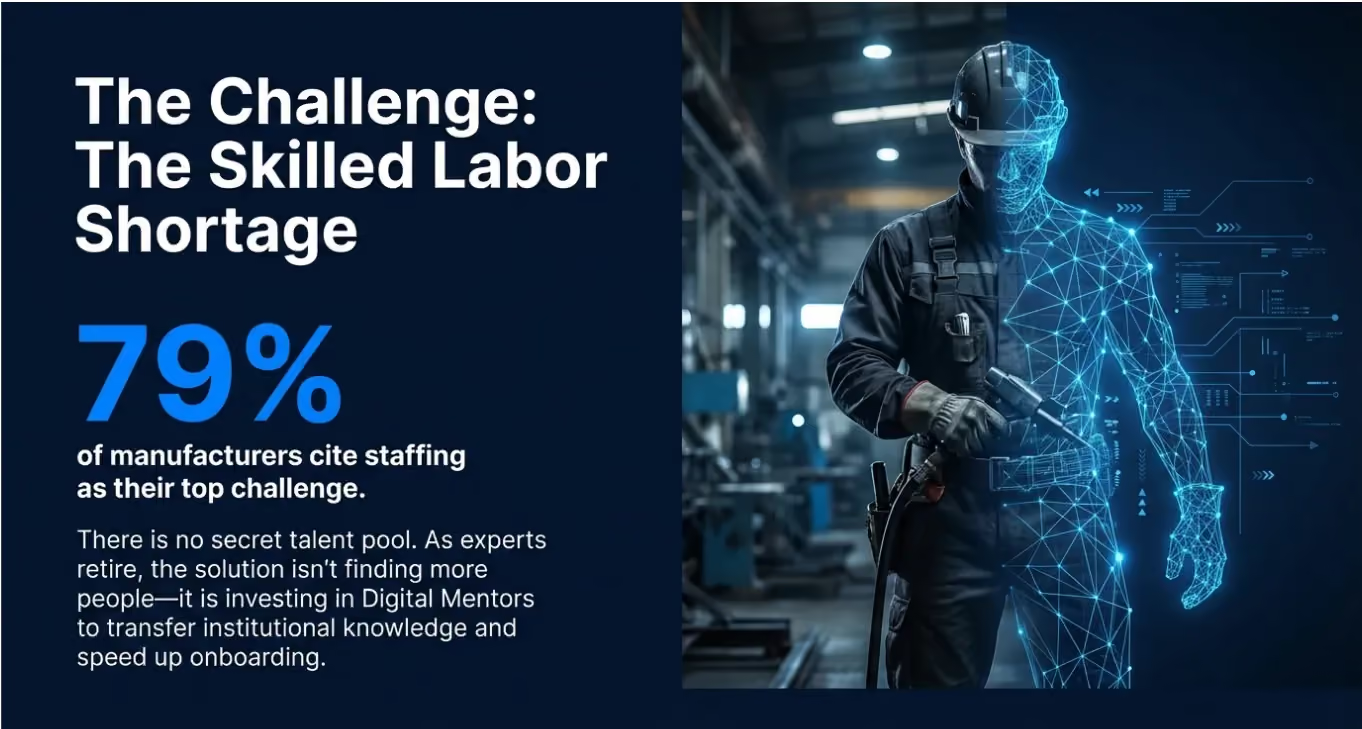
The biggest concern for most manufacturers isn’t costs, competition, or technological shortcomings, it’s staffing. When we asked our respondents what their biggest challenge heading into 2026 was, 79% said the skilled labor shortage.
It makes sense. Even if you seize an excellent market gap, outcompete your competition with quality and speed, or make an innovative technological leap, all of it falls apart if you don’t have the people to execute on it. And this is a problem more and more American manufacturers will face, as many skilled workers retire and fewer new people enter the manufacturing sector.
Unfortunately, there is no secret talent pool that you’ll be able to discover. Instead, you should look to do more with fewer people. Investing in technology that can help onboard people and bring them up to productivity faster is essential to make up the gap. These “digital mentors” can transfer the knowledge and expertise of your oldest employees to new ones, helping you mitigate productivity losses and seize new opportunities.

We Still Haven’t Gotten Adjusted to Tariffs
We’re over a year into the new era of American tariffs, and many manufacturers are still facing challenges getting adjusted. Nearly half of our respondents say that complex, inconsistent, and rapidly changing tariffs make it hard for them to plan for the future.
This uncertainty can be a big shock to manufacturers who are used to calculating and projecting costs and revenue a year or more out. No matter how hard you try, you can’t find some magical formula that will insulate you from sudden cost fluctuations while still maintaining profits.
Instead, what you should aim for is the flexibility and agility to respond immediately to new developments and opportunities. If one supplier becomes prohibitively expensive, have the capability and knowledge to switch to the best alternative. At the same time, maintain an awareness of your supply chain necessary to avoid costly noncompliance fees.
Manufacturers are Ready for the Robotics Era
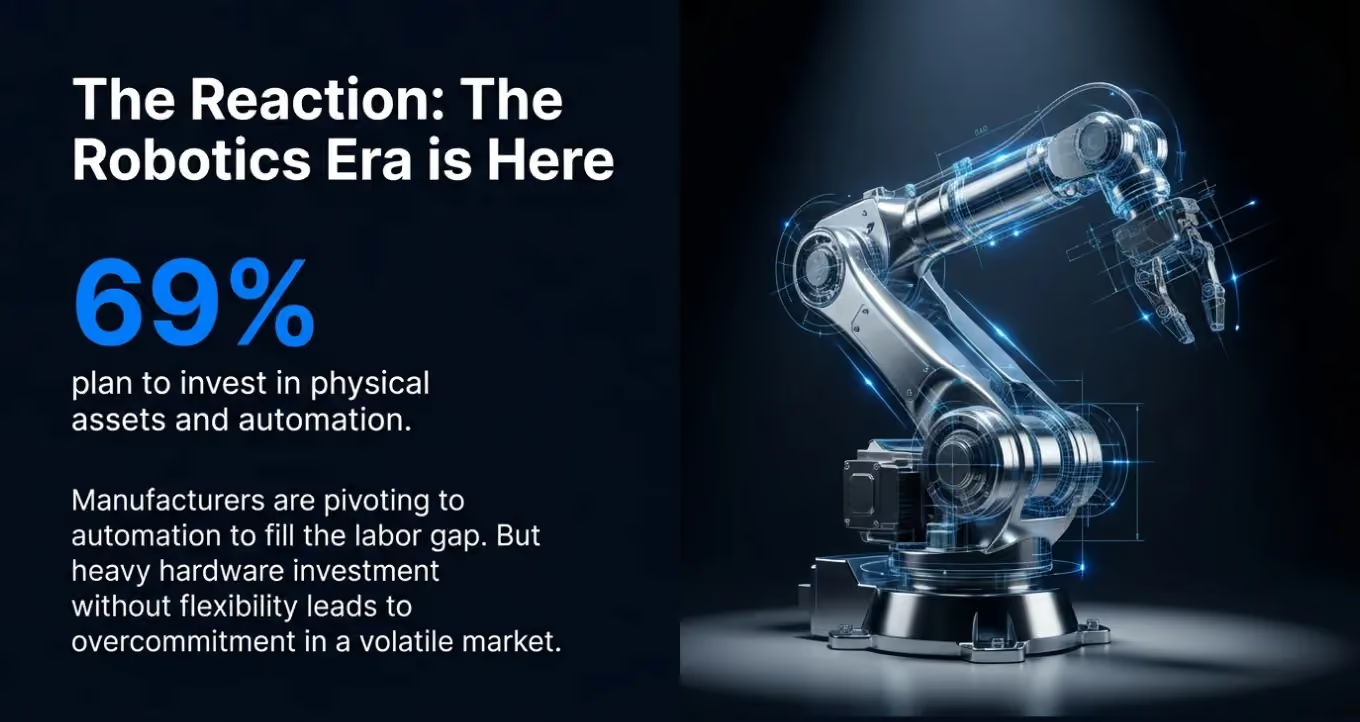
Perhaps it’s no surprise that manufacturers facing the pain of a lack of workers are considering another path: robotics. We found that 69% plan to invest in physical assets, like advanced machinery or robotics in 2026, a sizable increase from previous years.
It’s a sensible move, but without the correct setup, these investments can lead to overcommitment to one production strategy, which can become less valuable as market forces change. This new generation of machines also demands a strong digital foundation to have maximum efficiency: if the “digital backend” isn’t consistent, comprehensive, and organized, you still need a lot of manual intervention, offsetting the productivity gains.
Don’t think Operational Systems are Good Enough
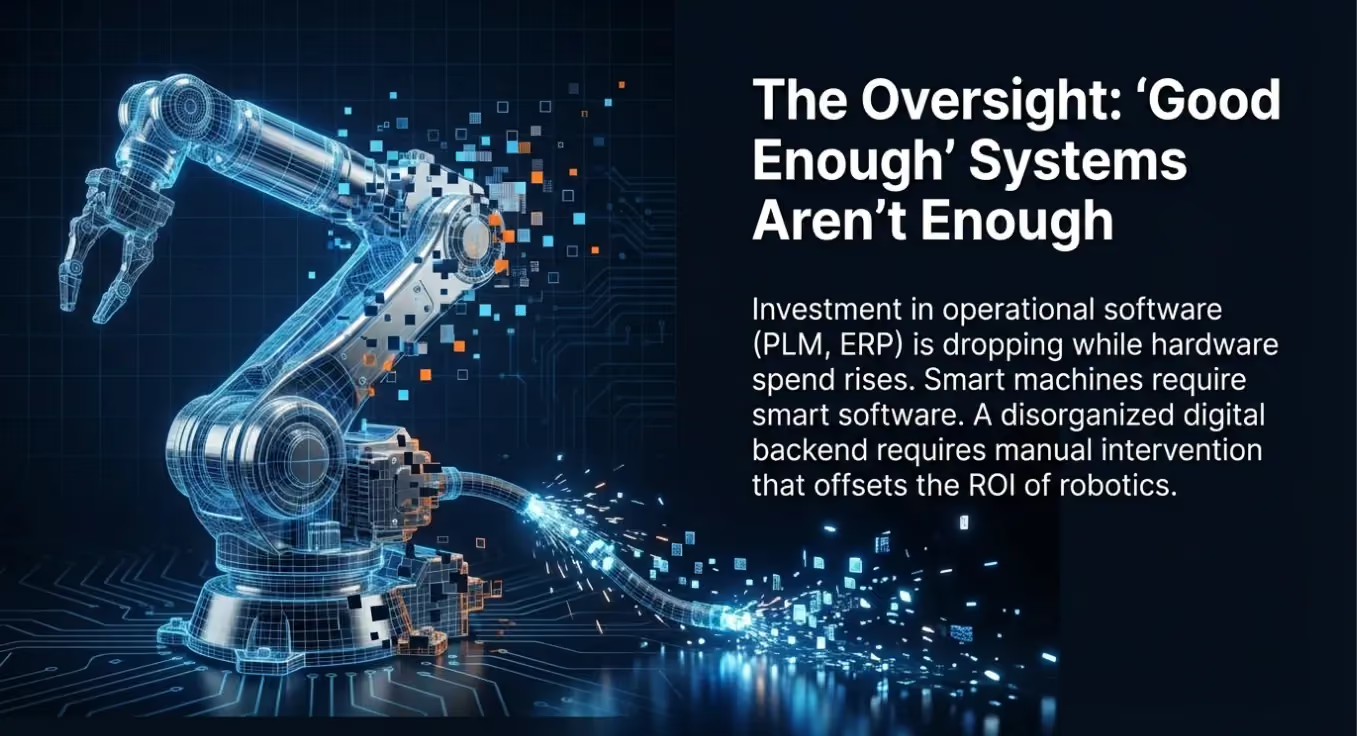
Alongside this growth in physical investments, we saw a drop off in investments in operational systems – PLMs, ERPs, and other software to help organize and process backend data. We think this reflects an attitude that many shops feel their software setup is “good enough”. But as we said before – if you invest in smarter machines, you need the software to advance and keep up.
As exciting as advances in robotics are, there’s even more innovation happening on the software side. Manufacturing software is empowering shops to automate a whole new category of tasks, increasing productivity, consistency, and agility. By making investments in the next generation of software – often at a fraction of the cost of a production line upgrade – you can gain a competitive edge against those who are investing elsewhere.
Rather than Expand, it’s Time to Hone In
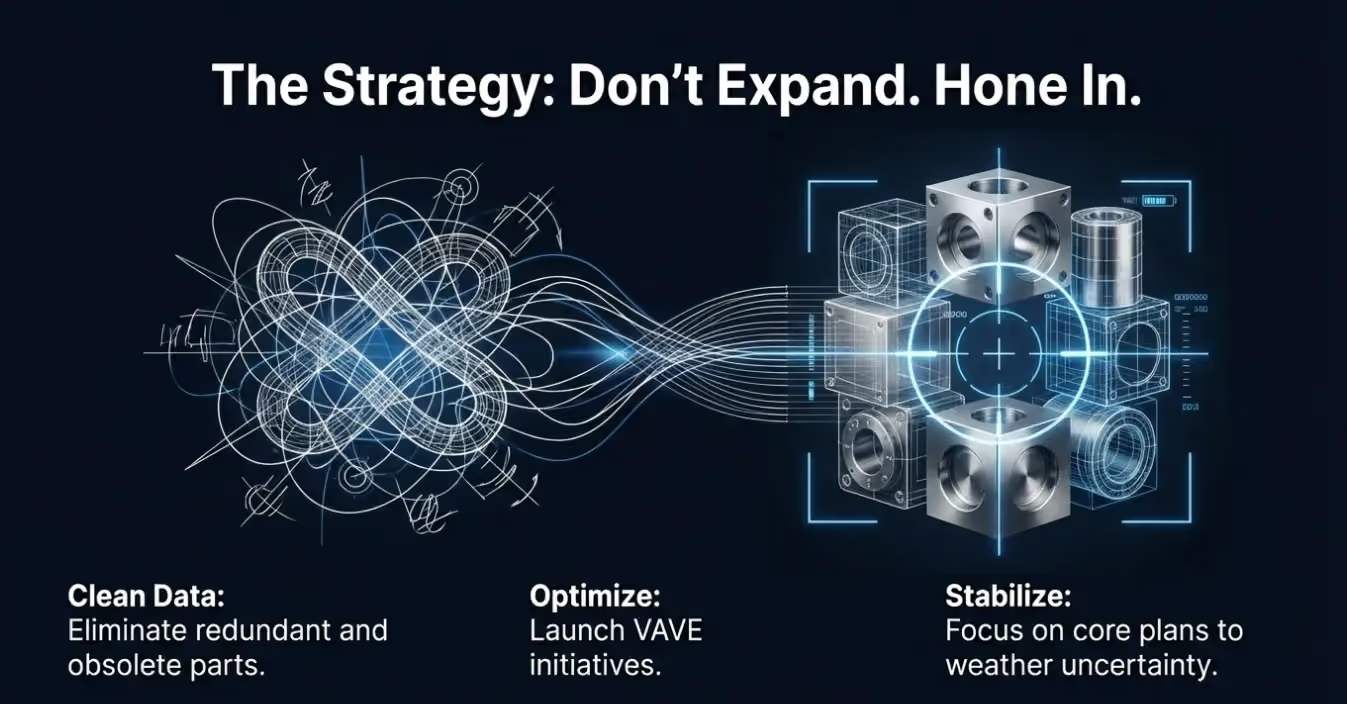
All of these findings and others suggest a year where manufacturers are hesitant to launch major projects and expansions. Instead, they want to hone in on their core plans and weather storms of uncertainty.
We’re here for it. Honing in isn’t unambitious. Instead, it’s an opportunity to focus on foundational projects: cleaning through your mess of redundant and obsolete parts, launching VAVE initiatives to optimize design and procurement choices, and more.
Want to see how CADDi can help you thrive in 2026? Explore our interactive product tour or book a personalized demo.
CADDi teamed up with SME to take the temperature of leading manufacturers across America to learn about the challenges and opportunities they foresee in 2026.
Read the entire report here, or read on for our analysis of five key takeaways.
The Skilled Labor Shortage Still Looms Large
The biggest concern for most manufacturers isn’t costs, competition, or technological shortcomings, it’s staffing. When we asked our respondents what their biggest challenge heading into 2026 was, 79% said the skilled labor shortage.
It makes sense. Even if you seize an excellent market gap, outcompete your competition with quality and speed, or make an innovative technological leap, all of it falls apart if you don’t have the people to execute on it. And this is a problem more and more American manufacturers will face, as many skilled workers retire and fewer new people enter the manufacturing sector.
Unfortunately, there is no secret talent pool that you’ll be able to discover. Instead, you should look to do more with fewer people. Investing in technology that can help onboard people and bring them up to productivity faster is essential to make up the gap. These “digital mentors” can transfer the knowledge and expertise of your oldest employees to new ones, helping you mitigate productivity losses and seize new opportunities.
We Still Haven’t Gotten Adjusted to Tariffs
We’re over a year into the new era of American tariffs, and many manufacturers are still facing challenges getting adjusted. Nearly half of our respondents say that complex, inconsistent, and rapidly changing tariffs make it hard for them to plan for the future.
This uncertainty can be a big shock to manufacturers who are used to calculating and projecting costs and revenue a year or more out. No matter how hard you try, you can’t find some magical formula that will insulate you from sudden cost fluctuations while still maintaining profits.
Instead, what you should aim for is the flexibility and agility to respond immediately to new developments and opportunities. If one supplier becomes prohibitively expensive, have the capability and knowledge to switch to the best alternative. At the same time, maintain an awareness of your supply chain necessary to avoid costly noncompliance fees.
Manufacturers are Ready for the Robotics Era
Perhaps it’s no surprise that manufacturers facing the pain of a lack of workers are considering another path: robotics. We found that 69% plan to invest in physical assets, like advanced machinery or robotics in 2026, a sizable increase from previous years.
It’s a sensible move, but without the correct setup, these investments can lead to overcommitment to one production strategy, which can become less valuable as market forces change. This new generation of machines also demands a strong digital foundation to have maximum efficiency: if the “digital backend” isn’t consistent, comprehensive, and organized, you still need a lot of manual intervention, offsetting the productivity gains.
Don’t think Operational Systems are Good Enough
Alongside this growth in physical investments, we saw a drop off in investments in operational systems – PLMs, ERPs, and other software to help organize and process backend data. We think this reflects an attitude that many shops feel their software setup is “good enough”. But as we said before – if you invest in smarter machines, you need the software to advance and keep up.
As exciting as advances in robotics are, there’s even more innovation happening on the software side. Manufacturing software is empowering shops to automate a whole new category of tasks, increasing productivity, consistency, and agility. By making investments in the next generation of software – often at a fraction of the cost of a production line upgrade – you can gain a competitive edge against those who are investing elsewhere.
Rather than Expand, it’s Time to Hone In
All of these findings and others suggest a year where manufacturers are hesitant to launch major projects and expansions. Instead, they want to hone in on their core plans and weather storms of uncertainty.
We’re here for it. Honing in isn’t unambitious. Instead, it’s an opportunity to focus on foundational projects: cleaning through your mess of redundant and obsolete parts, launching VAVE initiatives to optimize design and procurement choices, and more.
Want to see how CADDi can help you thrive in 2026? Explore our interactive product tour or book a personalized demo.
Ready to see CADDi Drawer in action? Get a personalized demo.
Subscribe to our Blog!
.svg)
.svg)
.svg)

Related Resources